Comparing GPS Trackers with Traditional Wandering Prevention for Seniors
For families caring for an older relative who tends to wander, the worry is constant. Whether it is a parent with dementia stepping out for a walk and losing their bearings, or a loved one who becomes confused in familiar places, the risk of a missing person event is real. Traditionally, families have relied on a mix of low-tech strategies to manage this. Today, a senior location tracker offers a different kind of safety net. Understanding how these two approaches compare can help you decide what fits your situation best.
What Traditional Wandering Prevention Looks Like
Traditional methods are often about physical barriers and constant supervision. Many families start with simple home modifications. Locks placed high or low on doors, alarms that chime when a door opens, and gates at stairways are common. Some caregivers use visual cues like a black mat placed in front of an exit, which can stop a person with dementia from stepping out because it looks like a hole. Others rely on redirecting behaviour: keeping the person engaged with activities during the day so they are less restless at night.
These approaches have real strengths. They involve no technology to learn or maintain, and they cost very little to set up. For someone who only wanders occasionally, these measures can be enough. The main drawback is that they depend entirely on a caregiver being nearby. If you step into the garden or take a shower, the protection is gone. A determined person can bypass most simple locks, and alarms only work if someone hears them and responds quickly. When wandering happens at night while the household is asleep, the risk of a long delay before discovery is high.
When Traditional Methods Work Best
Traditional prevention suits families where at least one person is home most of the time, and where the person who wanders does not move quickly or far. It also works well in a very secure home environment, such as a locked ward in a care facility, or a house with a fully fenced section that the person cannot exit unnoticed. For a family just starting to notice wandering behaviour, these low-tech steps are often the first sensible move.

How a Senior Location Tracker Changes the Picture
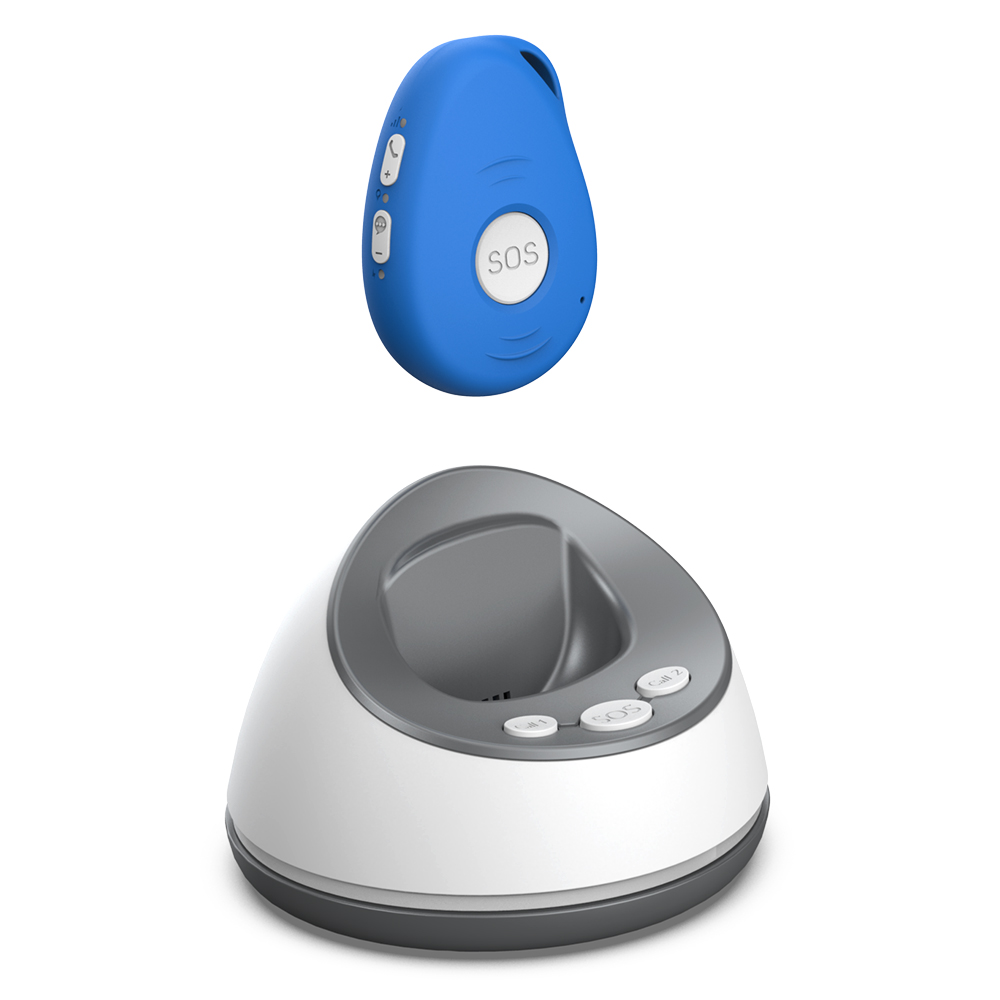
A senior location tracker is a wearable device that uses GPS and Wi-Fi positioning to report where the wearer is. It can send an alert if the person leaves a safe zone you set up, known as a geofence. Some models also include fall detection and a button the wearer can press to call for help. The tracker does not prevent wandering, but it gives you a way to know where the person is the moment they go out of sight.
This changes the equation entirely. Instead of having to watch someone constantly, you can let them move around freely within a safe area, and still get an instant notification if they leave it. The response time shrinks from hours of searching to minutes of checking the tracker's location. For families who care for a person with dementia, this can mean the difference between a short walk down the street and a full-scale missing person response.
One key advantage is that the tracker works even when you are not in the same room. You can be in the garden, asleep, or at work, and still know where your loved one is. This makes it possible for a single caregiver to manage more independently, and it gives the person wearing the tracker a degree of freedom they might otherwise lose.
When a Tracker Is the Better Option
A tracker becomes very useful when the person who wanders is quick, strong, or prone to leaving at unpredictable times. It is also helpful if you live in a rural area where getting lost could mean a long walk in dangerous conditions, or if your home is not easy to secure. For families where the primary caregiver works outside the home, or where multiple people share care duties, a tracker provides a shared view of the person's location that everyone can check.
One example worth considering is the system offered by familyr.co.nz. Their device includes GPS and Wi-Fi location, SOS alerts, fall detection, and two-way communication, all without monthly fees. For a family weighing the costs of care, a one-off purchase can remove the ongoing subscription burden that many other trackers carry.

Comparing the Two Approaches Side by Side
To decide what works for you, it helps to think about a few key factors:
- Level of supervision available, If someone is always present, traditional methods may be enough. If care is shared or intermittent, a tracker adds a safety net.
- Environment, A secure, single-level home with a fenced yard is easier to protect with locks and alarms than a house with many exits or an open property.
- Wandering patterns, Occasional, slow wandering can often be managed with low-tech solutions. Frequent, fast or unpredictable wandering calls for location tracking.
- Cost and commitment, Traditional methods cost almost nothing to start. A tracker has an upfront cost, but can save money and stress over time, especially if it avoids emergency call-outs.
- Acceptance by the person, Some older adults will happily wear a device; others may resist. Traditional methods may be less invasive for someone who dislikes wearing anything.
No single method is perfect. Many families find they get the best results by combining approaches. For example, you might secure the home with door alarms and also have your loved one wear a tracker for those moments when the alarms fail or you are not within earshot. This layered strategy gives you both physical prevention and a digital backup.
Practical Considerations for Choosing
If you are leaning towards a tracker, a few practical points matter. Battery life varies widely: some devices need daily charging, while others last a week or more. Check whether the tracker uses a SIM card with its own plan, or whether it connects through Wi-Fi at home. The latter can be simpler if the person rarely leaves the house, but it will not help if they wander beyond the property. A device that combines GPS and Wi-Fi positioning, like the one from familyr.co.nz, gives you coverage both at home and away.
Another factor is how alerts reach you. Some trackers send notifications via a mobile app, which requires a smartphone and a data connection. Others also call emergency contacts or a monitoring centre. Make sure the alert method matches the habits of the people who will respond. If the primary caregiver does not keep their phone nearby at night, a loud base station alarm may be more reliable.
Finally, think about the person's comfort. A tracker that is worn as a pendant or clipped to a belt may be less noticeable than a wristband. Some people will accept a device that looks like a watch or a piece of jewellery. If the person removes the tracker, the whole system stops working. Involving them in the choice early can improve acceptance.
Making Your Decision
There is no single right answer. Traditional wandering prevention methods are low-cost, low-tech, and effective in the right setting. A senior location tracker adds a layer of security that works when direct supervision is not possible. For most families, the best path is to start with the simple measures you can implement today, and then add a tracker if you find that the risk remains. The goal is not to remove all risk, but to reduce the chance of a bad outcome to a level you can live with.
Whichever route you choose, the most important step is to have a plan. Talk with other family members, discuss the options with your loved one's doctor or a dementia specialist, and test whatever solution you pick before you rely on it. A little preparation now can give you real peace of mind later.